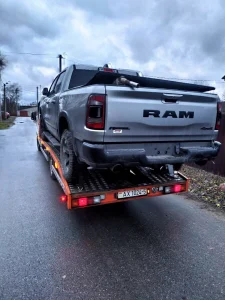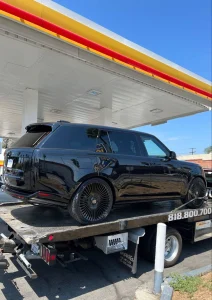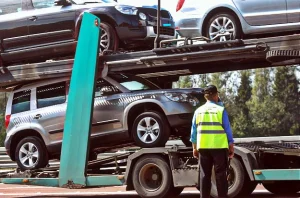

Protect your valuable vehicle from direct exposure to road debris and outdoor weather with enclosed car transport from Manhattan Auto Metro Shipping. Designed for luxury cars, classics, exotic automobiles, and specialty vehicles, enclosed transportation offers an additional layer of protection and a more specialized shipping experience for customers in New York City and beyond.
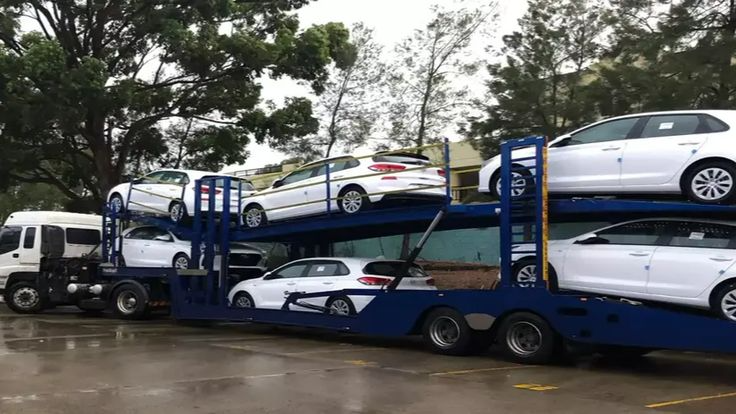
Transporting a valuable automobile requires careful planning and consideration. Whether you own a luxury sedan, exotic sports car, restored classic, collectible vehicle, or specialty automobile, selecting an appropriate transportation method is an important part of protecting your investment.
Manhattan Auto Metro Shipping offers enclosed car transport options for customers who prefer additional protection during vehicle transportation.
Based in Manhattan, New York, we help customers explore enclosed auto shipping solutions for vehicles moving between New York City and destinations across the United States.
Our goal is to make it easier to understand available transportation methods and select a shipping option suited to your vehicle’s requirements.
Enclosed car transport involves shipping a vehicle inside a covered trailer.
Unlike open-air carriers, enclosed trailers surround vehicles with a protective structure that reduces direct exposure to rain, snow, dust, road debris, and other outdoor conditions.
Enclosed trailers generally transport fewer vehicles than many open carriers, and their equipment and operational requirements may differ.
These factors contribute to the higher cost typically associated with enclosed shipping.
For owners of valuable, rare, or carefully maintained automobiles, the additional protection can justify the expense.
However, enclosed shipping does not guarantee that a vehicle will be free from every possible risk. Appropriate insurance verification and vehicle condition documentation remain essential.
Additional Protection from Outdoor Conditions
One of the main benefits of enclosed transportation is reduced environmental exposure.
A covered trailer provides a physical barrier between the vehicle and many external conditions encountered during highway travel.
This can be particularly valuable for vehicles with specialized paintwork, delicate finishes, or exceptional cosmetic condition.
Suitable for Luxury and Exotic Vehicles
Luxury and exotic automobiles often require additional attention during transportation.
Some vehicles have low ground clearance, wide tires, specialized bodywork, or nonstandard dimensions.
Certain enclosed carriers offer equipment such as hydraulic liftgates or specialized loading ramps to accommodate these requirements.
Customers should confirm the specific equipment needed before accepting a booking.
Ideal for Classic and Collector Cars
Classic vehicles may contain original parts, rare components, or finishes that are difficult to replace.
Owners who have invested significant time and resources in restoration may prefer enclosed transportation to minimize direct exposure to road conditions.
This makes enclosed shipping an appealing option for collector vehicles traveling to exhibitions, auctions, restoration facilities, or new owners.
Specialized Shipping Arrangements
Enclosed transportation may involve carriers experienced with premium or specialty vehicles.
Nevertheless, the qualifications, equipment, insurance coverage, and operating authority of the actual transportation provider should always be verified.
Enclosed transport is frequently considered for luxury sedans, exotic sports cars, antique automobiles, collectible vehicles, restored classics, limited-production models, and specialty vehicles.
It can also be useful for certain electric performance vehicles and cars with custom modifications.
The appropriate carrier configuration depends on the vehicle’s dimensions, weight, operating condition, and loading requirements.
For exceptionally low vehicles, customers should specifically request confirmation of safe loading equipment.
The process starts with providing details about the vehicle and intended transportation route.
Customers should identify the make, model, year, approximate dimensions, operating condition, and any unusual characteristics.
Pickup and delivery locations, preferred shipping dates, and additional handling requirements also influence transportation planning.
After a suitable quote and booking arrangement are confirmed, pickup instructions are provided.
Before loading, the vehicle’s condition should be documented through photographs and an inspection report.
The carrier then loads and secures the vehicle using equipment appropriate for its characteristics.
During transportation, the enclosed trailer helps reduce direct exposure to external elements.
At delivery, the vehicle should be carefully inspected and compared with its original condition report.
Any newly observed damage should be documented immediately in accordance with the applicable claims process.
Open and enclosed transportation are both established vehicle shipping methods.
Open transport generally offers lower costs and broader carrier availability. It is often suitable for standard passenger vehicles.
Enclosed transport provides additional environmental protection and may offer specialized handling arrangements.
The best option depends on the value, condition, dimensions, and intended use of your vehicle, as well as your budget.
For an everyday commuter vehicle, open transport may be sufficient. For a rare collectible or premium sports car, enclosed shipping may be preferable.
Before transportation, clean and photograph the vehicle thoroughly.
Document existing paint imperfections, wheel damage, and interior or exterior conditions.
Remove loose items, secure detachable accessories, and disclose any special starting procedures or mechanical limitations.
If your vehicle has low ground clearance, an unusual transmission system, or specific battery requirements, communicate these details before pickup.
For classic vehicles, provide any necessary instructions concerning ignition, brakes, steering, or loading.
You should also confirm the carrier’s cargo insurance and applicable coverage terms before shipment.
New York City presents unique transportation considerations, especially for large trailers.
Traffic congestion, restricted streets, and limited loading space can influence where an enclosed carrier can safely collect or deliver a vehicle.
Customers may need to coordinate pickup at an accessible nearby location.
Advance planning can help reduce avoidable complications and support a smoother transportation experience.
When your vehicle requires additional protection, enclosed transportation provides an option worth considering.
Manhattan Auto Metro Shipping helps customers explore enclosed vehicle shipping based on their individual transportation requirements.
Whether you’re shipping a classic car to another state or arranging transportation for a recently purchased luxury automobile, contact us to discuss available options.
Call (929) 421-1904 or email info@manhattanautometroshipping.us to request your enclosed car transport quote.
Find answers to some common questions about car shipping and vehicle transportation.
Car shipping costs depend on several factors, including shipping distance, vehicle size, transport type, route availability, season, and pickup or delivery requirements. Open transport is generally more affordable than enclosed transport. Contact Manhattan Auto Metro Shipping for a quote based on your shipment details.
Delivery times vary according to distance, route, carrier availability, traffic, weather, and scheduling. Shorter regional shipments may take less time than cross-country transportation. Pickup and delivery dates should be confirmed with the transport provider, and transit estimates may change.
Both methods serve different needs. Open transport is widely used for everyday vehicles and offers an economical shipping solution. Enclosed transport provides additional protection from direct exposure to weather and road debris, making it attractive for luxury, classic, and specialty vehicles.
Door-to-door shipping allows you to request pickup and delivery near your chosen addresses. However, narrow streets, parking restrictions, low bridges, and other safety or legal limitations may require meeting the carrier at a nearby accessible location.
Wash your vehicle, photograph its condition, remove personal belongings and loose accessories, check for leaks, maintain approximately one-quarter tank of fuel unless instructed otherwise, and keep your keys ready. Document existing damage during the pickup inspection.